TCU Summer Literacy Institute
Cultivating Literacy Communities
June 3 – 4, 2026
Presented by TCU College of Education and Fort Worth Independent School District.
Keynote Speakers
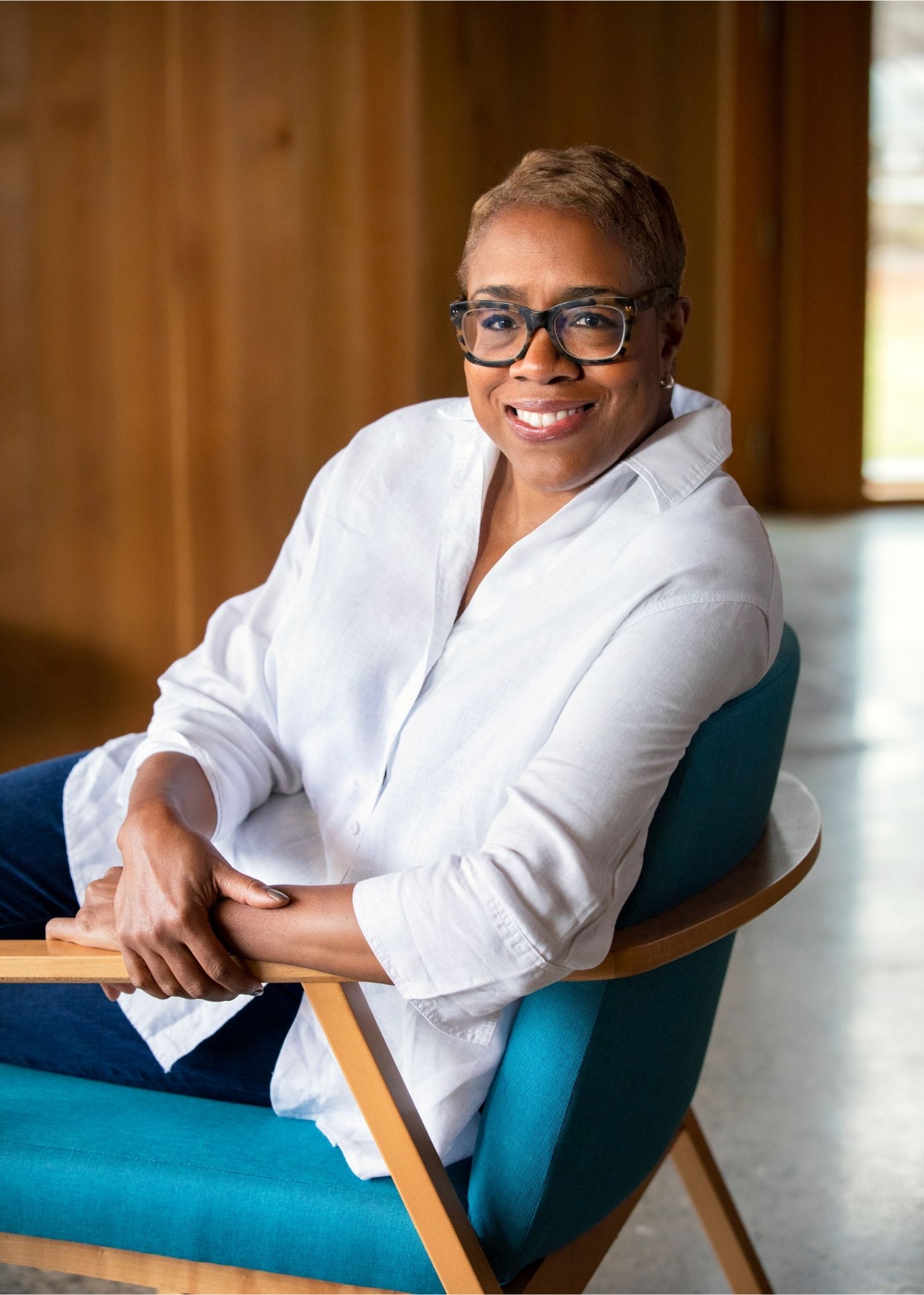
Newbery Honor award recipient Lesa Cline-Ransome is the author of numerous non-fiction and historical fiction titles for picture book, chapter book, middle grade and young adult readers. Her work has been named to ALA Notable Books and Bank Street Best Children’s Book lists.
Her verse picture book biography of Harriet Tubman, Before She Was Harriet was nominated for an NAACP image award and received a Jane Addams Honor, Christopher Award, and Coretta Scott King Honor for Illustration. Finding Langston, the first in the Finding Langston trilogy, was the winner of the Scott O’Dell Award for Historical Fiction and received the Coretta Scott King Award Author Honor. Her picture book, They Call Me Teach, received the 2025 Jane Addams Award. Her MG novel-in-verse, One Big Open Sky, was recipient of the Newbery Honor and Coretta Scott King Award Author Honor, as well as being named a Best Book of 2024 by Kirkus, the Boston Globe, and the New York Times.
She is the host of KidLitTV's Past Present: Giving Past Stories New Life.
Lesa is the mother of four and frequently collaborates with her husband, illustrator James Ransome. She lives and works in the Hudson Valley region of New York where she consumes large quantities of books and chocolate and each day, she takes long walks and short naps. In between she writes. Find out more at: www.lesaclineransome.com
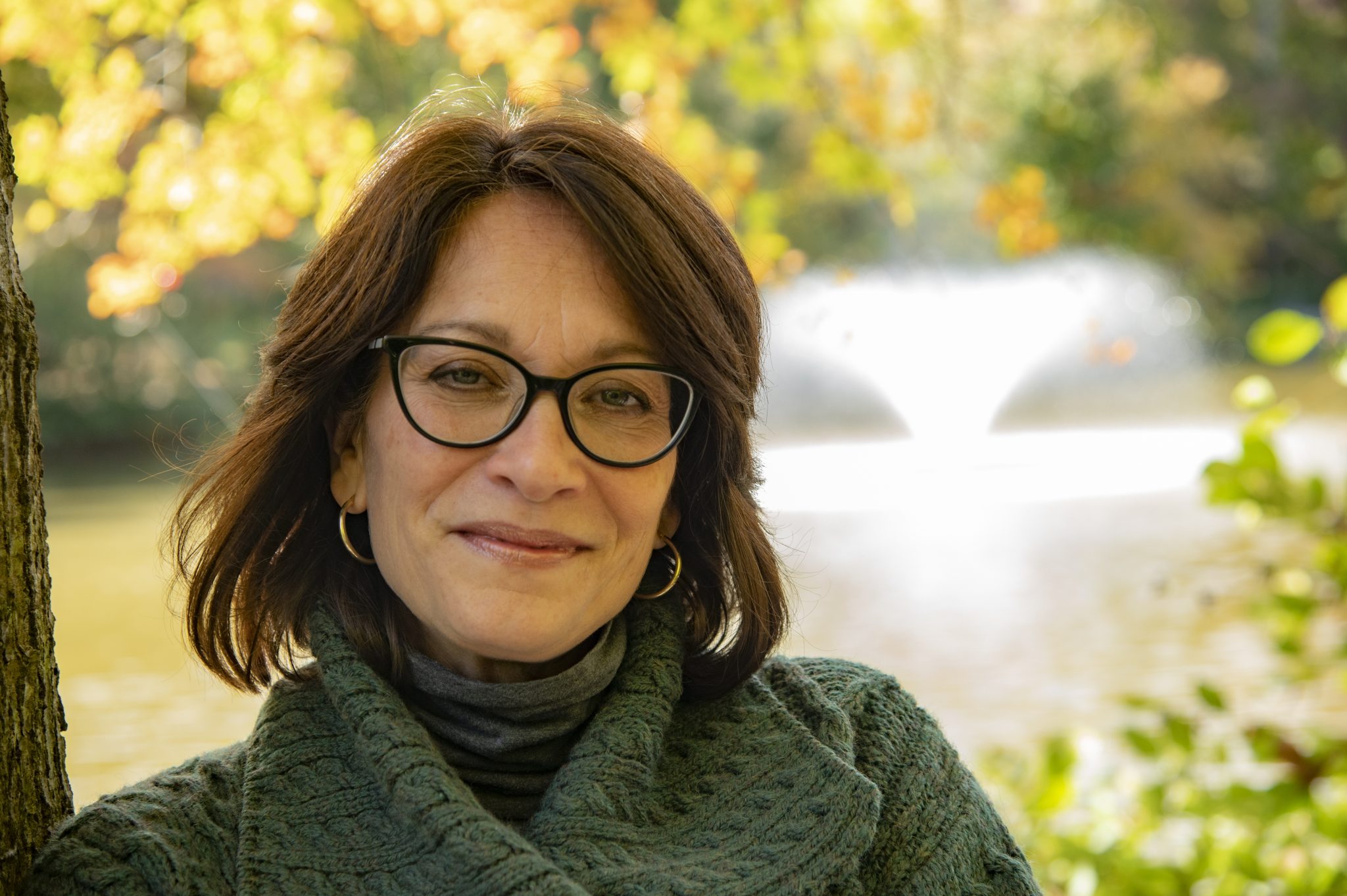
Meg Medina served as the 2023-2024 National Ambassador for Young People’s Literature. Her newest middle-grade novel, Graciela in the Abyss, is her first fantasy. She is also the author of the Newbery Medal–winning book Merci Suárez Changes Gears, a 2018 Kirkus Prize finalist, and is followed by two more acclaimed books about the Suárez family: Merci Suárez Can’t Dance and Merci Suárez Plays It Cool. Her young adult novels include Yaqui Delgado Wants to Kick Your Ass, which won the 2014 Pura Belpré Author Award, and was published in 2023 as a graphic novel illustrated by Mel Valentine Vargas; Burn Baby Burn, which was long-listed for the National Book Award; and The Girl Who Could Silence the Wind. She is also the author of picture books No More Señora Mimí / No más Señora Mimí, Evelyn Del Rey Is Moving Away / Evelyn del Rey se muda, illustrated by Sonia Sánchez, Jumpstart’s 2020 Read for the Record selection; Mango, Abuela, and Me, illustrated by Angela Dominguez, which was a Pura Belpré Author Award Honor Book; and Tía Isa Wants a Car, illustrated by Claudio Muñoz, which won the Ezra Jack Keats New Writer Award; and biographies for young readers She Persisted: Sonia Sotomayor and She Persisted: Pura Belpré, the latter with Marilisa Jiménez García. The daughter of Cuban immigrants, she grew up in Queens, New York, and now lives in Richmond, Virginia.
Schedule
Day 1 - June 3
Continental Breakfast Available in Smith 1520AB
Dean Frank Hernandez and Mary Jane Bowman
A Book, A Page, A World: The Artistic Journey of Lesa Cline-Ransome
| Presenter Name | Title of Presentation | Abstract | ||||||
| Lesa Cline-Ransome | Keynote Speaker Book Signing | |||||||
| Mary Jane Bowman | Science of Learning Through the Lens of Structured Literacy | This session grounds participants in the Science of Learning and its direct connection to structured literacy and curriculum design in FWISD. Teachers will explore how core principles—such as managing cognitive load, retrieval practice, and building knowledge—inform instructional decisions within Literacy IPCs and the FWISD Instructional Framework. Through analysis of aligned lesson components, participants will identify how these principles are intentionally embedded within Tier 1 instruction, including First Teach, Demonstration of Learning (DOL), and Reteach & Challenge. The session will emphasize transparency around curriculum design decisions and provide opportunities for participants to apply their understanding by examining instruction and reflecting on implications for planning, observation, and support. The goal is to build coherence and ensure that daily literacy instruction is intentionally aligned to how students learn, process, and retain knowledge over time. | ||||||
| Robin Griffith | Teaching With Intention: Supporting Comprehension with HQIM Scripted Lessons | This session supports classroom teachers using HQIM scripted reading lessons to make intentional, student-centered decisions that keep comprehension at the forefront. Participants will examine small instructional moves before, during, and after lessons that connect foundational skills to meaning, build background knowledge, respond to students’ needs, and honor professional judgment while maintaining alignment with curriculum expectations. | ||||||
| Molly Doherty, Zutella Holmes, & Michelle Salazar Perez (UNT) | Imagining Together: Collectively Storying Early Literacy as Education-and-Care | Care helps educators understand and contend with the complexities of deficit thinking regarding early literacy and school readiness, reshaping how we engage with young children and families who are minoritized. Through storied vignettes inspired by the everyday experiences of early childhood educators, we collectively show how care is pivotal to the early literacy experiences of young children. | ||||||
| Jennifer Smith | Activate Prior Knowledge to Maximize Learning | Students learn and remember information when they connect new ideas to their existing schema. Teachers can support students’ understanding of new material by planning opportunities for all students to activate relevant prior knowledge and make connections to the new learning. This session will highlight components for teachers to consider when activating prior knowledge, address common teacher pitfalls, and provide examples of how curriculum can be modified to include short activities to maximize learning. | ||||||
| Steve Przymus | Understanding and addressing the "G" word in bilingual education through "placekeeping" literacy practices | Well intended multimodal (bi)literacy practices (e.g., placing bilngual signs on classroom and hallway walls, reading bilingual children's books, disseminating bilingual education program recruitment materials, etc.) can often implicitly value English as the most important language in bilingual educational settings. Overtime this can lead to what some call the "gentrification" of bilingual education. In this session, we will learn to idenfiy this will reall examples, develop alternative practices, and discuss the potential impact of taking a "placekeeping" perspective to literacy practices. | ||||||
| Jan Lacina's and Graduate Students | Teaching the Holocaust: Memory, Meaning, and Method | In this session, we will demonstrate how to meet Senate Bill 1828 (SB 1828),using a free Upstander Toolkit. Discover age-appropriate ways to help students build understanding, remember key ideas, and connect lessons about empathy, fairness, and standing up for others. An award-winning Holocaust themed book will be provided to each participant (up to 15 participants) | ||||||
| Presenter Name | Title of Presentation | Abstract | ||||||
| Endia Lindo | A Culturally Informed Approach to Reading Comprehension | Reading comprehension is both cognitive and cultural. This session introduces an asset-based approach that integrates explicit instruction with students’ linguistic and cultural strengths to deepen understanding and engagement. Participants will explore how text selection, inclusive discussion structures, and intentional scaffolds support equitable access to rigorous learning. The session will also highlight ways to design tasks and assessments that reflect diverse perspectives while maintaining high academic expectations, ensuring all students move from access to mastery. | ||||||
| Jennifer Smith | Activate Prior Knowledge to Maximize Learning | Students learn and remember information when they connect new ideas to their existing schema. Teachers can support students’ understanding of new material by planning opportunities for all students to activate relevant prior knowledge and make connections to the new learning. This session will highlight components for teachers to consider when activating prior knowledge, address common teacher pitfalls, and provide examples of how curriculum can be modified to include short activities to maximize learning. | ||||||
| Zeshan Khan | K-5 The Science of Learning in Action Using Retrieval to Support Long-term Memory | This session provides an overview of the Science of Learning and how these principles are intentionally embedded within the FWISD Instructional Framework and Instructional Planning Calendars (IPCs). While participants will briefly examine the broader principles, the session will intentionally zoom in on retrieval practice as a high-impact strategy for strengthening long-term memory. Participants will explore how retrieval lives within daily Tier 1 First Teach and strategic teacher moves that prompt students to recall and connect prior learning. Through modeling and rehearsal, teachers will experience how short, intentional retrieval opportunities—often embedded in just a few minutes—can significantly increase student retention and understanding. | ||||||
| Steve Przymus | Developing storytellers and citizen scientists: How to use geospatial mapping for oracy and literacy development | This session will equip participants with the knowledge, tools, and practice needed to start using geospatial mapping with students. Together we will log in to Lingscape (a free geospatial mapping application that combines the linguistic landscape with citizen science) and explore how this practice could empower our students to tell stories about their surroundings that lead to meaningful literacy development. Example lesson plans using a 4-phase framework for leveraging the linguistic landscape for oracy/literacy development will be shared and participants will have time to start planning their own lessons. | ||||||
| Courtney McClendon | K-5 Implementing the ELPS through Writing in Science | This session examines the critical role science plays in strengthening literacy through daily instruction, with writing embedded within reading, thinking, and responding to scientific texts, phenomena, and investigations. Writing is not a standalone activity; it is a continuous process through which students make sense of observations, organize ideas, and communicate evidence-based understanding while engaging in integrated listening, speaking, reading, and writing aligned to the English Language Proficiency Standards (ELPS). Participants will examine how writing is intentionally embedded within elementary Instructional Planning Calendars (IPCs). The session will highlight how writing connects to reading in science and explicitly identify where students are engaging in listening, speaking, reading, and writing throughout the lesson. Teachers will leave with a clear understanding of how to surface and strengthen writing opportunities to support comprehension, language development, and scientific thinking. | ||||||
Day 2
Continental Breakfast available in Smith 1520AB
Fear and the Unknown: Into the Abyss
| Presenter Name | Title of Presentation | Abstract | ||||||
| Meg Medina | Cuéntame, Meg: A chat with Meg Medina about books, awards, and building kids’ book lives | |||||||
| Robin Griffith | Teaching With Intention: Supporting Comprehension with HQIM Scripted Lessons | This session supports classroom teachers using HQIM scripted reading lessons to make intentional, student-centered decisions that keep comprehension at the forefront. Participants will examine small instructional moves before, during, and after lessons that connect foundational skills to meaning, build background knowledge, respond to students’ needs, and honor professional judgment while maintaining alignment with curriculum expectations. | ||||||
| Zeshan Khan | K-5 Implementing the ELPS through Reading in Social Studies | This session focuses on how social studies instruction intentionally supports language development through the English Language Proficiency Standards (ELPS). During Tier 1 First Teach, students engage with informational texts and text features while practicing purposeful listening, speaking, reading, and writing within TEKS-aligned lessons. Teachers will explore how Multiple Response Strategies (MRS) create structured opportunities for academic language use, real-time processing, and monitoring understanding. Participants will leave with clear strategies for embedding ELPS into daily social studies instruction to strengthen literacy and language outcomes for all students. | ||||||
| Sylvia Linan-Thompson | From talking to comprehension: a step-by step process to build academic language and comprehension | Many students learning English develop receptive language skills (listening and reading) but academic speaking and writing are slower to develop. Participants interactive workshop will learn and use a model lesson based on science content that moves students from oral language to reading comprehension using content area material. Although the session will focus on content for upper elementary grades, the process can be applied to all grade levels. Participants will leave the session with a tools and resources to improve student reading comprehension. | ||||||
| Steve Przymus | Understanding and addressing the "G" word in bilingual education through "placekeeping" literacy practices | Well intended multimodal (bi)literacy practices (e.g., placing bilngual signs on classroom and hallway walls, reading bilingual children's books, disseminating bilingual education program recruitment materials, etc.) can often implicitly value English as the most important language in bilingual educational settings. Overtime this can lead to what some call the "gentrification" of bilingual education. In this session, we will learn to idenfiy this will reall examples, develop alternative practices, and discuss the potential impact of taking a "placekeeping" perspective to literacy practices. | ||||||
| Jan Lacina | Elevating Student Thinking Through Upstander-Focused Interactive Read-Alouds | Based on a research study of award-winning children’s literature featuring upstanders, this session examines how teacher questioning shapes the depth of student responses during interactive read-alouds. Each attendee (up to 15 participants) will receive an award winning book recognized by the Notable Book for a Global Society list (International Literacy Association) to support classroom implementation. | ||||||
| Presenter Name | Title of Presentation | Abstract | ||||||
| Endia Lindo | The Science of Reading Comprehension: Strengthening Core Instruction | Grounded in the science of reading, this session focuses on designing rigorous, standards-aligned comprehension lessons that support all learners in grade-level texts. Participants will explore how to craft clear learning objectives, address prerequisite skill gaps, and embed scaffolded strategies that maintain high expectations. The session will model the planning and implementation of evidence-based, high-impact comprehension lessons that move students from developing to mastery. | ||||||
| Courtney McClendon | K-5 The Science of Learning in Action Using Acceleration to Close Gaps in the Moment |
This session provides an overview of the Science of Learning and how these principles are intentionally embedded within the Instructional Framework and Instructional Planning Calendars (IPCs). While participants briefly examine the broader principles, the session focuses on activating prior knowledge as a high impact strategy through acceleration and addressing gaps in prerequisite science skills. Participants will explore how quick retrieval, strategic questioning, and targeted scaffolds connect to what students already know and support access to grade level content during Tier 1 First Teach. The session highlights how these moves are embedded within high leverage moments in the science IPCs and how teachers can surface and address unfinished learning without lowering rigor. Through modeling and rehearsal, teachers will experience how short, focused opportunities to activate prior knowledge strengthen coherence across lessons and accelerate student learning. | ||||||
| Sylvia Linan-Thompson | From talking to comprehension: a step-by step process to build academic language and comprehension | Many students learning English develop receptive language skills (listening and reading) but academic speaking and writing are slower to develop. Participants interactive workshop will learn and use a model lesson based on science content that moves students from oral language to reading comprehension using content area material. Although the session will focus on content for upper elementary grades, the process can be applied to all grade levels. Participants will leave the session with a tools and resources to improve student reading comprehension. | ||||||
| Steve Przymus | Developing storytellers and citizen scientists: How to use geospatial mapping for oracy and literacy development | This session will equip participants with the knowledge, tools, and practice needed to start using geospatial mapping with students. Together we will log in to Lingscape (a free geospatial mapping application that combines the linguistic landscape with citizen science) and explore how this practice could empower our students to tell stories about their surroundings that lead to meaningful literacy development. Example lesson plans using a 4-phase framework for leveraging the linguistic landscape for oracy/literacy development will be shared and participants will have time to start planning their own lessons. | ||||||
| Jan Lacina | Elevating Student Thinking Through Upstander-Focused Interactive Read-Alouds | Based on a research study of award-winning children’s literature featuring upstanders, this session examines how teacher questioning shapes the depth of student responses during interactive read-alouds. Each attendee (up to 15 participants) will receive an award winning book recognized by the Notable Books for a Global Society list (International Literacy Association) to support classroom implementation. | ||||||